There is no timeline for grief, no one should grieve alone

Grief needs to be witnessed. Whether that is listening to someone share stories about their loved one, walking in nature with other grievers, or simply sitting in silence.

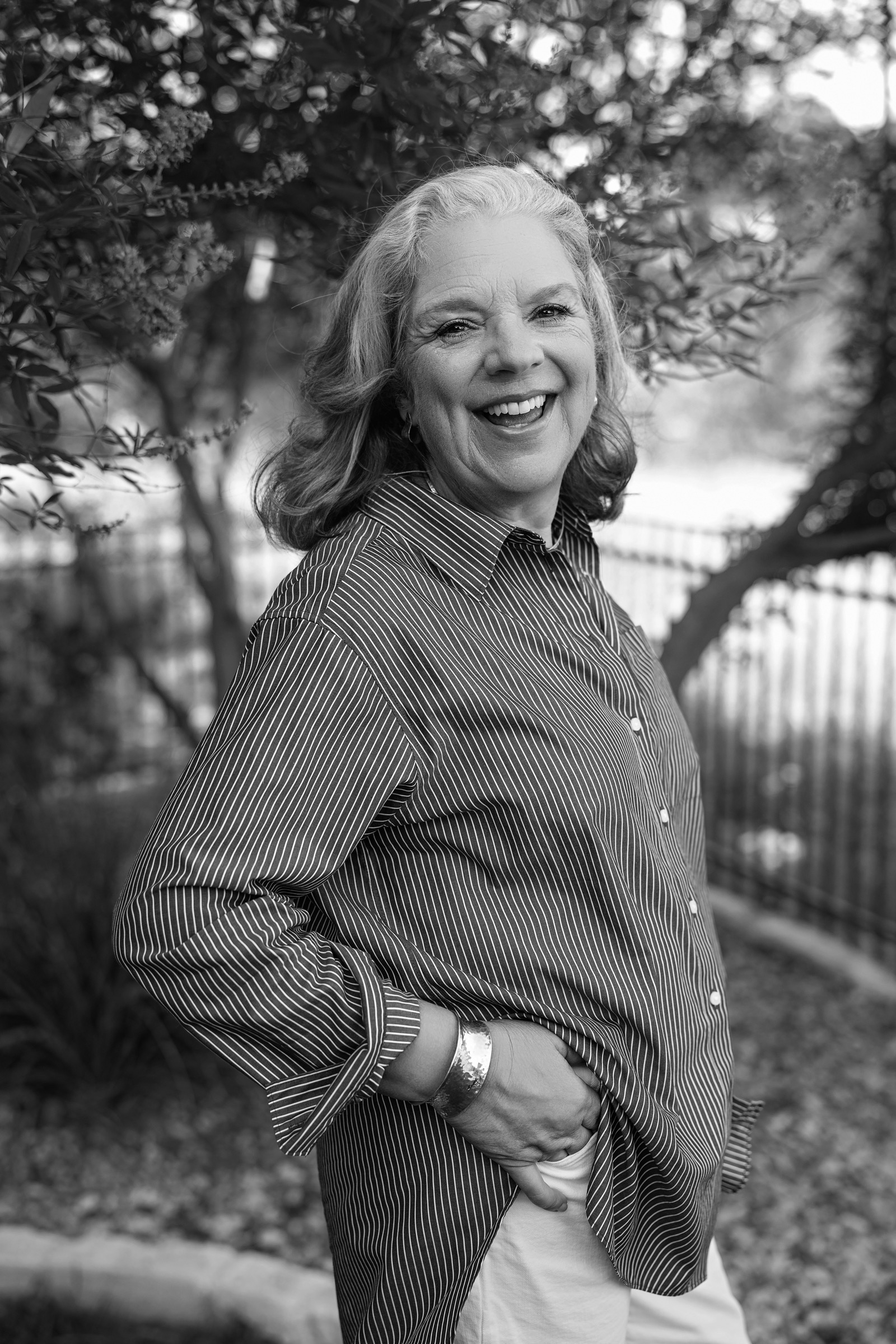
A quieter portrait of Laura in black and white, standing under crepe myrtle branches

Email Laura

Grief changes everything

Those in grief are no longer the person they once were. Their place in the world changes. Their roles change, and so does their identity. Relationships with friends and family are not the same. Their future is no longer as they imagined it.

And then, somewhere around the fourth month, the casseroles stop and the calls slow down and everyone else's life resumes. Yours does not. People stop saying their name, so eventually you stop saying it too, and the loss gets quieter and lonelier at exactly the point where you needed it to get easier.

That is the part almost nobody prepares you for. It is also the part I work in.

Why me

I am a bereaved wife and daughter who wants to turn my pain into purpose.

Grief hurts, and there is no magic bullet that gets you over it. We live in a grief illiterate society where the D words, death and dying, do not get spoken. So people carry it alone.

Like many others, I am living proof that even after the most devastating losses, in time and with help, we can grow forward so that we remember with more love than pain.

Grow forward. Not get past.

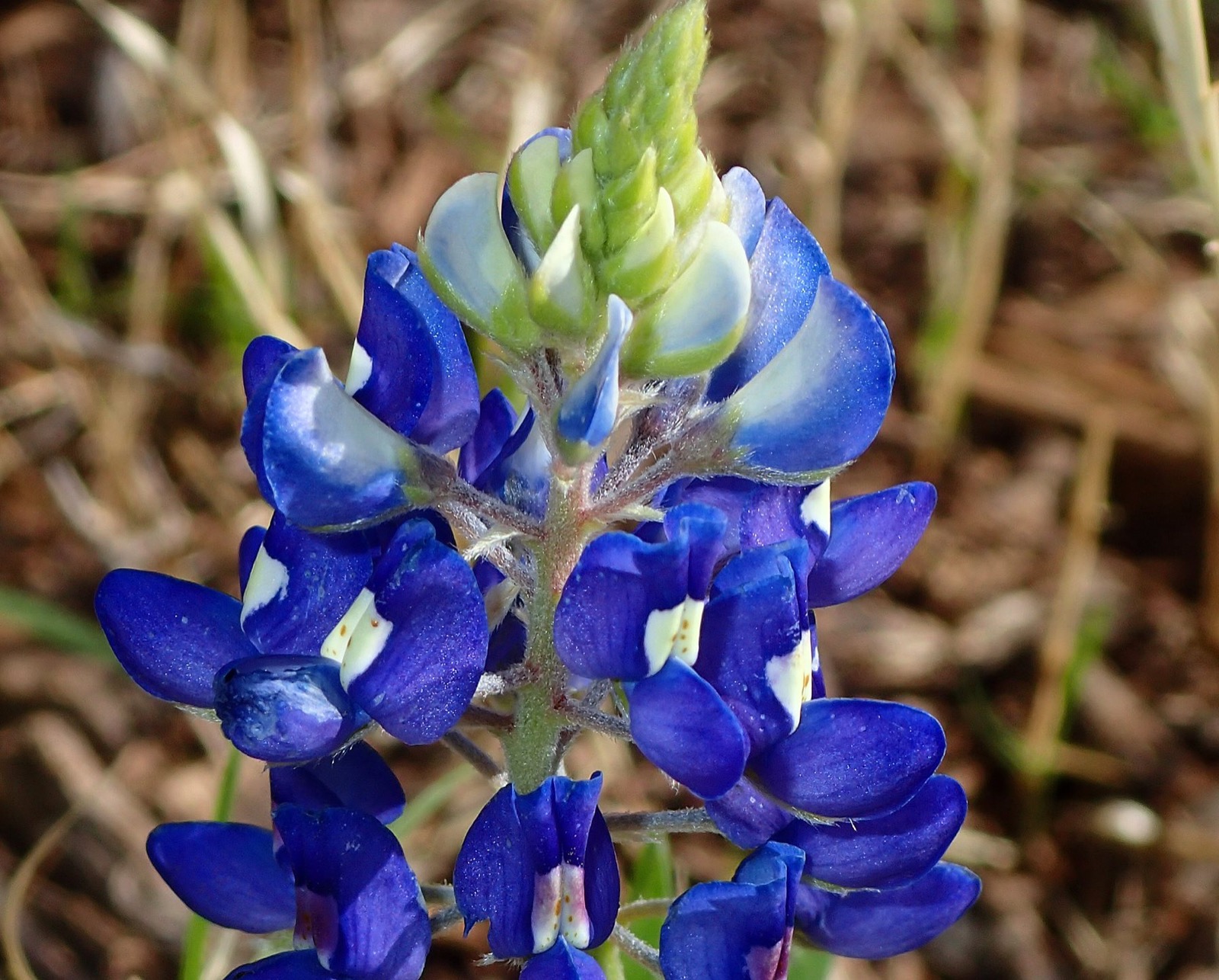
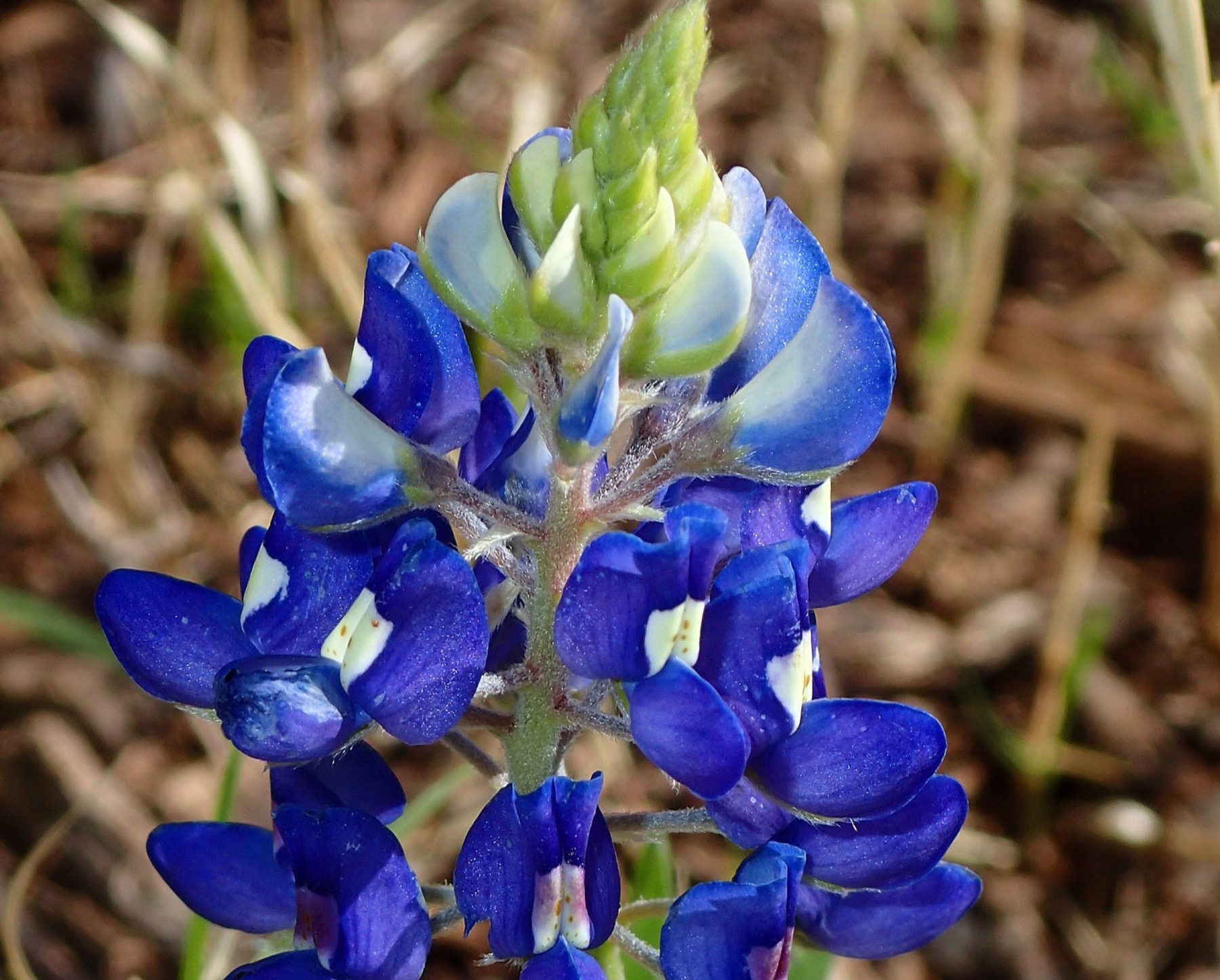
A Texas bluebonnet spike in close-up
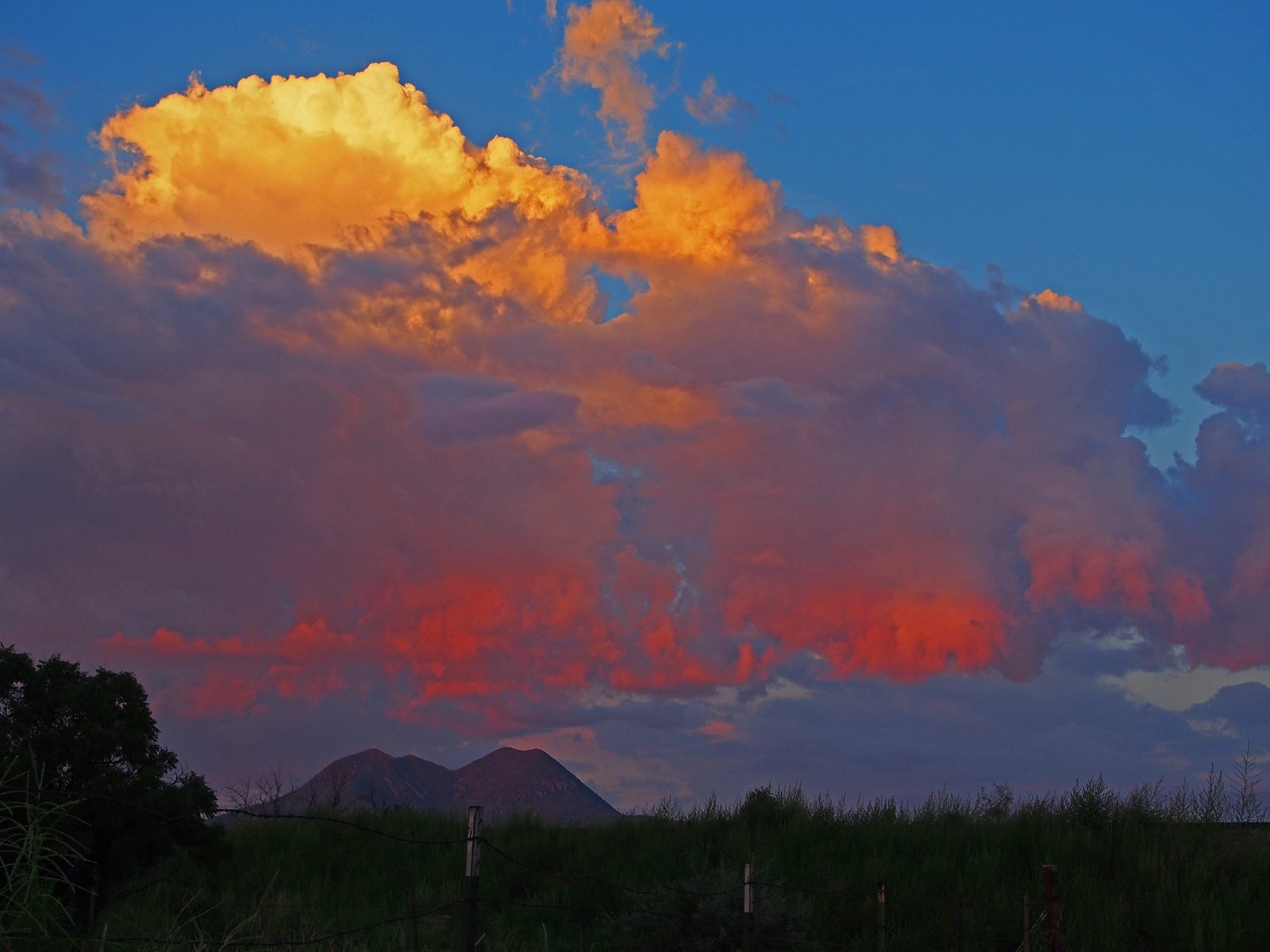
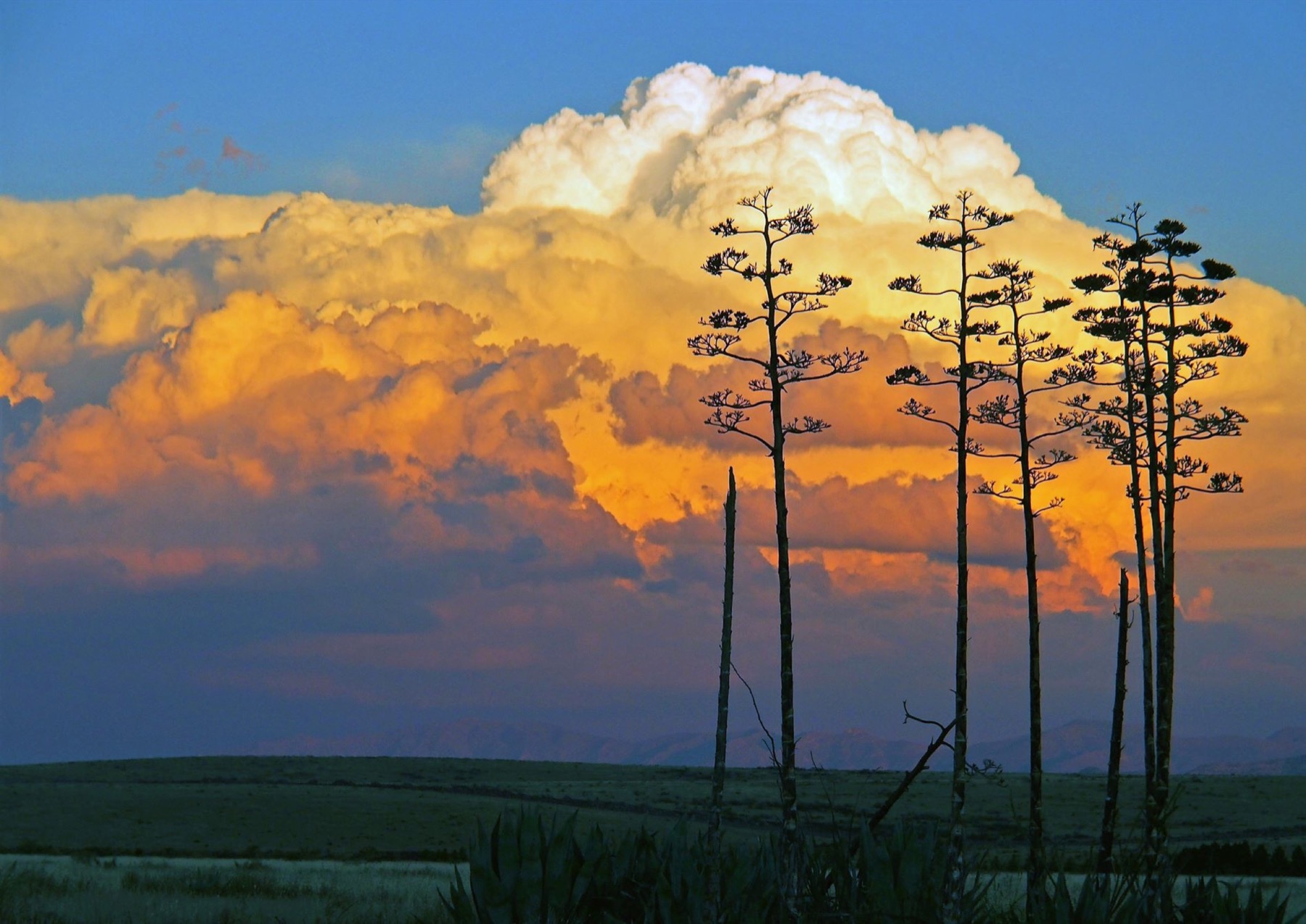
Sunset light on a bank of cloud above a bare treeline

What's here for you

Individual support

One to one, at whatever pace you need. This is not therapy and it is not a treatment plan. It is a person who is trained in grief, who is not uncomfortable when you talk about the death, and who will not tell you where you should be by now.
Groups

Grief witnessed in company. A small facilitated group where you can say the name out loud and nobody flinches. For many people this is the piece that has been missing, because the loneliness is often the harder half.

Grief walks

Grief moves better when the body is moving and nobody has to hold eye contact. We walk, and we talk, or we do not talk. Both are allowed.

Workshops for organizations

Congregations, workplaces, and community groups that want to get better at supporting the grieving people already among them.

More about workshops and speaking

Grief to Life, a six-week series

I am building a six-week series for people who are at least a year out from a loss, which is the point where most formal support has ended and the grief has not.

The series is not finished yet, and I would rather say that plainly than take your name for something that does not exist. If you want to know when it opens, send me an email and I will tell you.

[email protected]

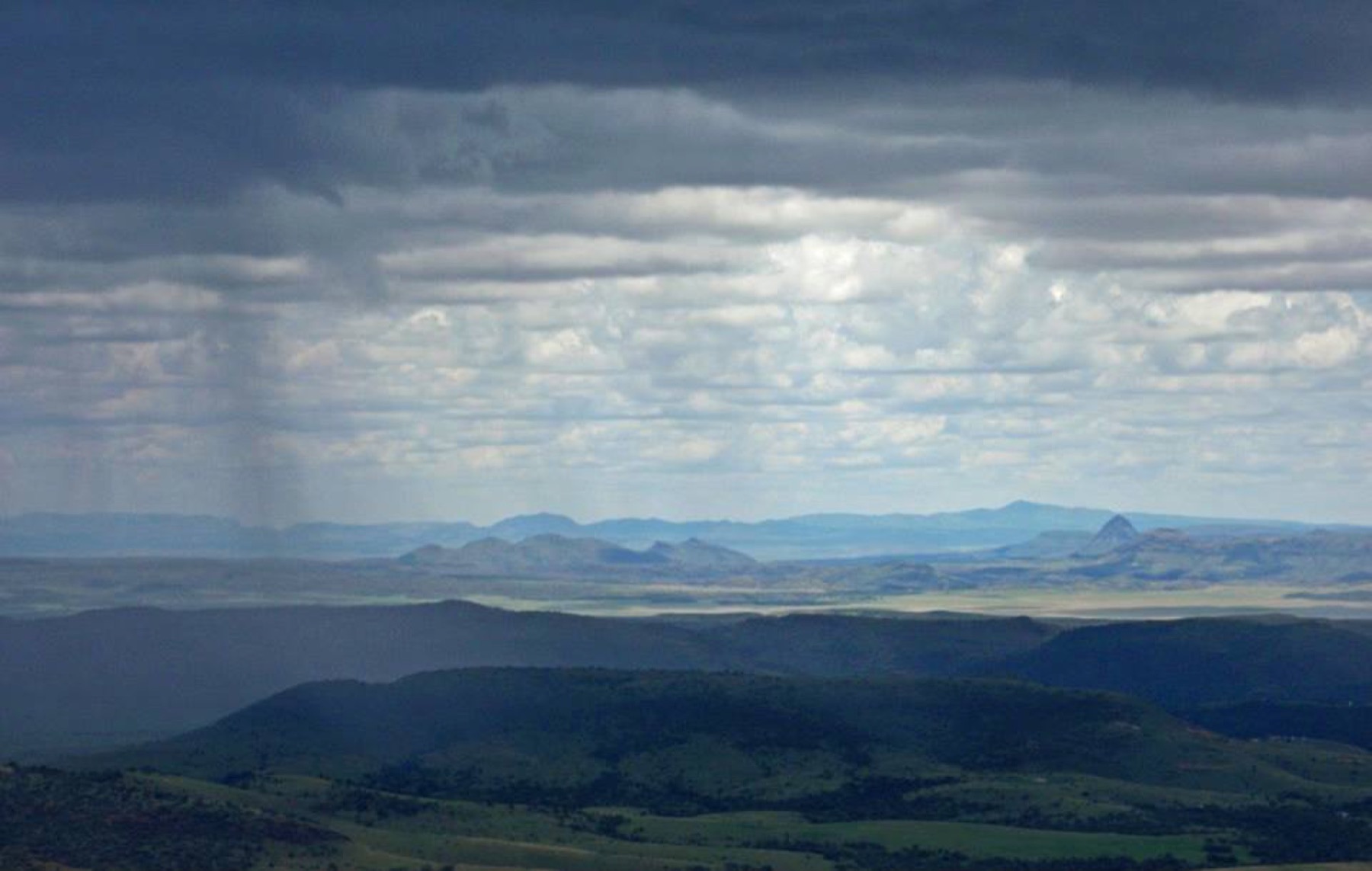
Rain moving across open country

What do you say to someone who is grieving?

The most useful thing you can say is usually the simplest: that you are sorry, that you care, and that you are still here. What helps is presence and specificity. What hurts is anything that puts a deadline on their grief or tries to explain the death away.

These two lists come from David Kessler and Grief.com. Print them, forward them, or hand them to the people around you. That is what they are for.

What helps

  • I am so sorry for your loss.
  • I wish I had the right words. Know that I care.
  • I don't know how you feel, but I'm here to help in any way I can. I can pick up groceries, walk your dog, or just sit with you.
  • My favorite memory of your loved one is...
  • What is a favorite quality of your loved one?
  • I am up early, or late, if you need anything.
  • I am always just a phone call away.
  • You and your loved ones are in my thoughts and prayers.
  • Give a hug instead of saying anything.
  • Say nothing. Just be with the person.

What doesn't

  • At least she lived a long life. Many people die young.
  • He is in a better place.
  • He brought this on himself.
  • There is a reason for everything.
  • Aren't you over her yet? She has been dead for a while.
  • You can have another child.
  • You are young, you can remarry.
  • She was such a good person, God wanted her with Him.
  • I know how you feel.
  • She did what she came here to do, and it was her time to go.
  • How are you?
  • Be strong.

Lists adapted from David Kessler, Grief.com.

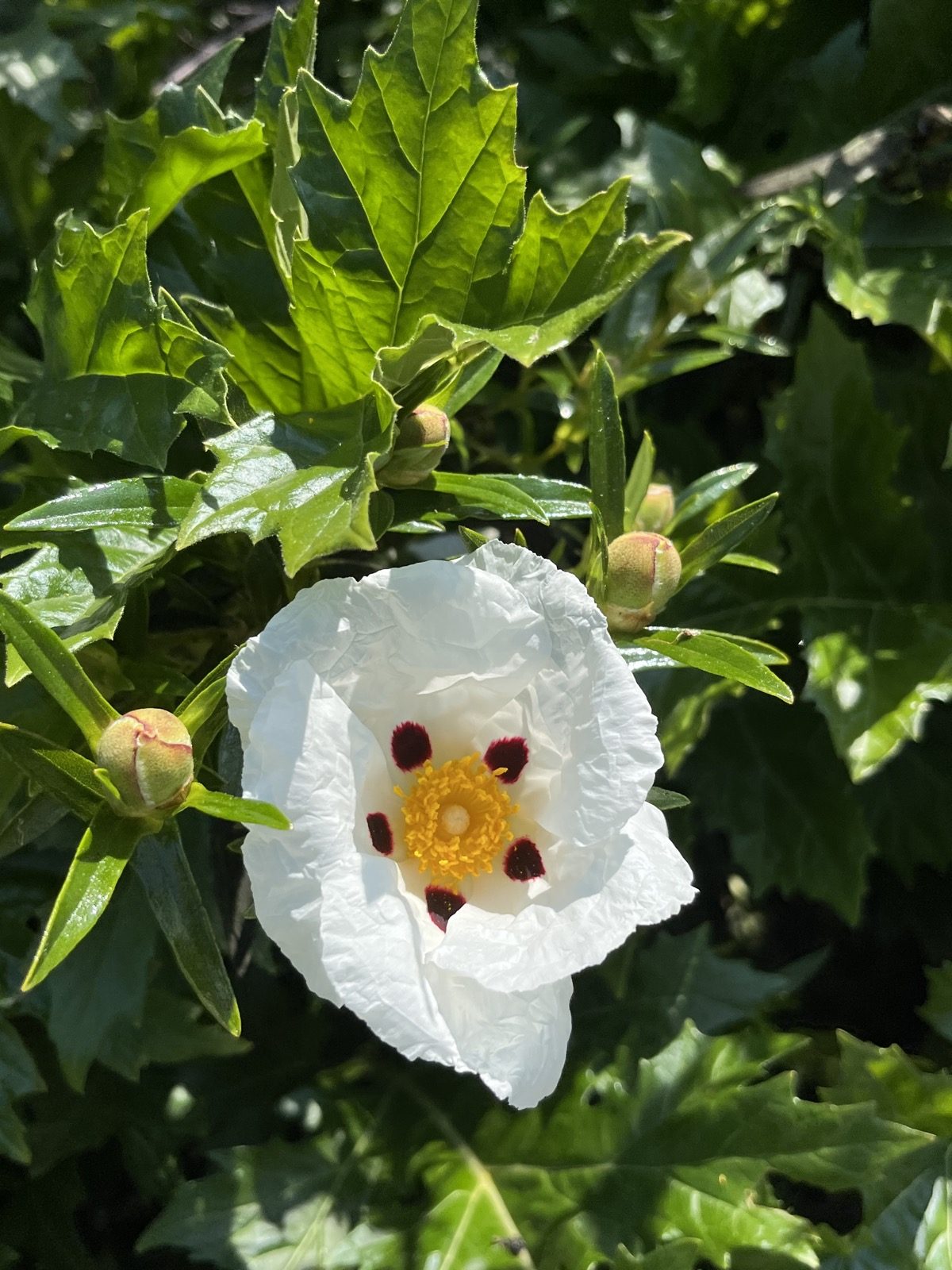
A single white bloom open in soft light

Trained through David Kessler

I am a Certified Grief Educator through David Kessler and Grief.com. The training ran twelve weeks and covered the foundations of grief, how to be with others in loss, the way a death shapes the grief that follows, releasing feelings, releasing the burden of guilt, healing older wounds, integration and meaning, specific kinds of loss, how belief and culture change what grief looks like, and how to lead groups.

Before any of that, I spent ten years as a volunteer facilitator at The WARM Place in Fort Worth, a grief support center for children and their families. I sat with kids aged ten to thirteen every week while they figured out how to talk about the person who died.

Grief is not a club any of us want to belong to. I am grateful that places like The WARM Place exist, along with the groups run by hospices and churches, so that grief can be witnessed somewhere.

More about Laura

Questions people ask

Someone trained specifically to understand grief and to support people who are living with it. My certification is through David Kessler and Grief.com, a twelve-week program covering the foundations of grief, how to be present with someone in loss, guilt, integration and meaning, and how to lead groups. It is education and support. It is not therapy.

If you want to talk

There is nothing to sign up for and nothing you owe. Write to me and tell me as much or as little as you want.

From Laura’s camera

  • A field of Texas bluebonnets going out of focus toward the treeline
  • High afternoon clouds stacked over open country
  • A single yellow prickly pear bloom open against grey-green pads
  • A ridgeline going dark against a low sun
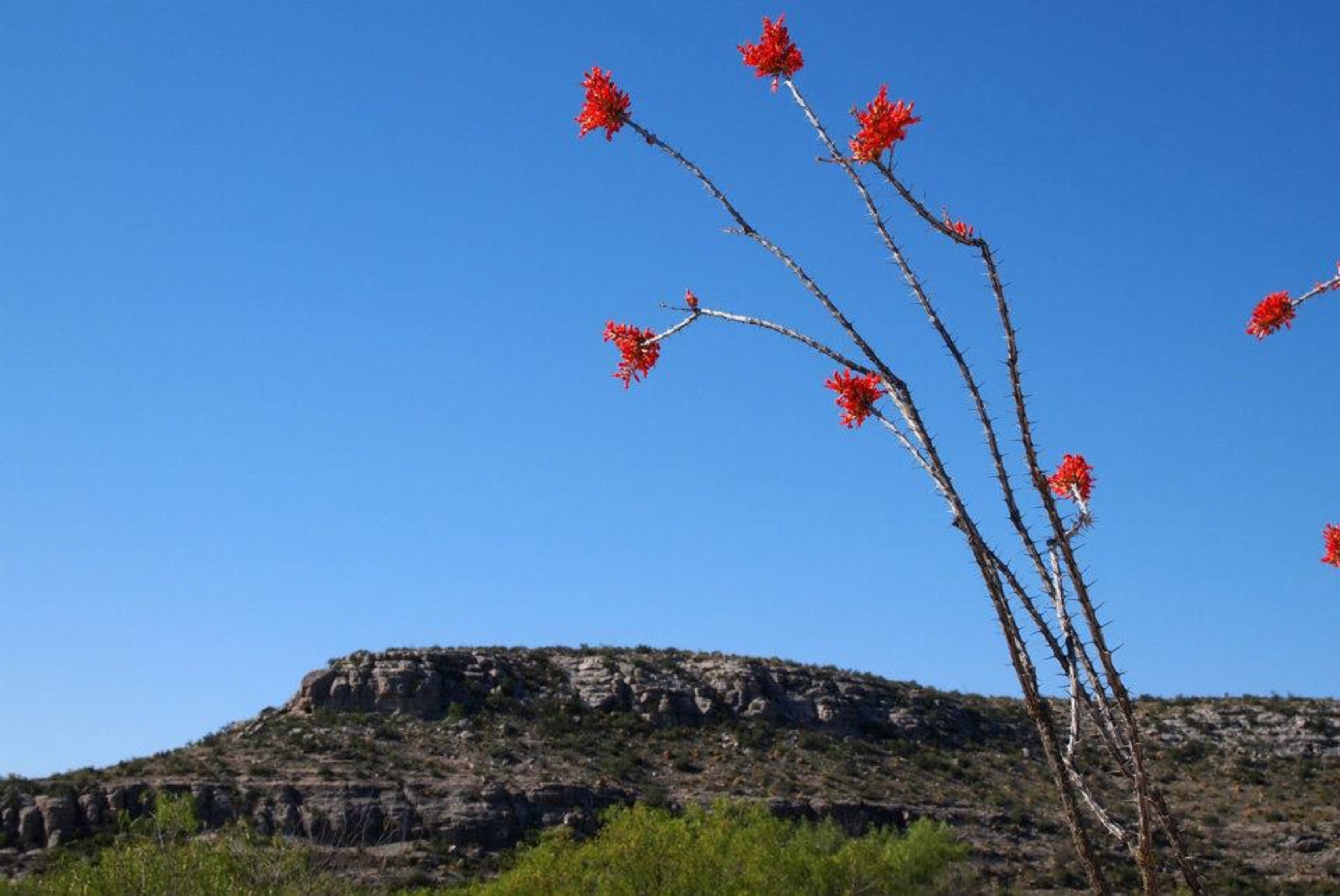
  • Ocotillo canes tipped with red flowers against a pale sky
  • Orange tubular blooms opening along a green stem
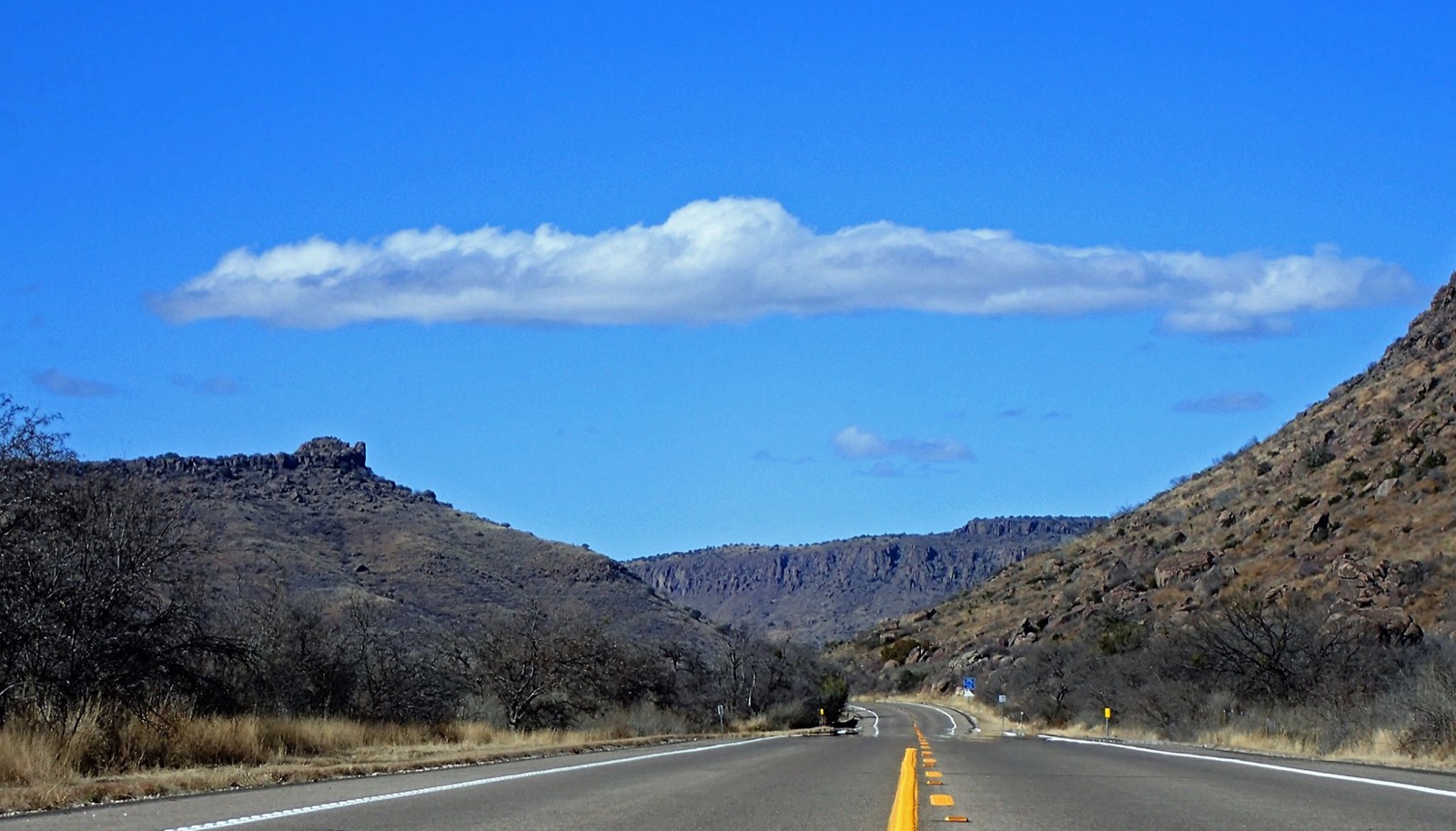
  • A two-lane highway bending away between desert hills
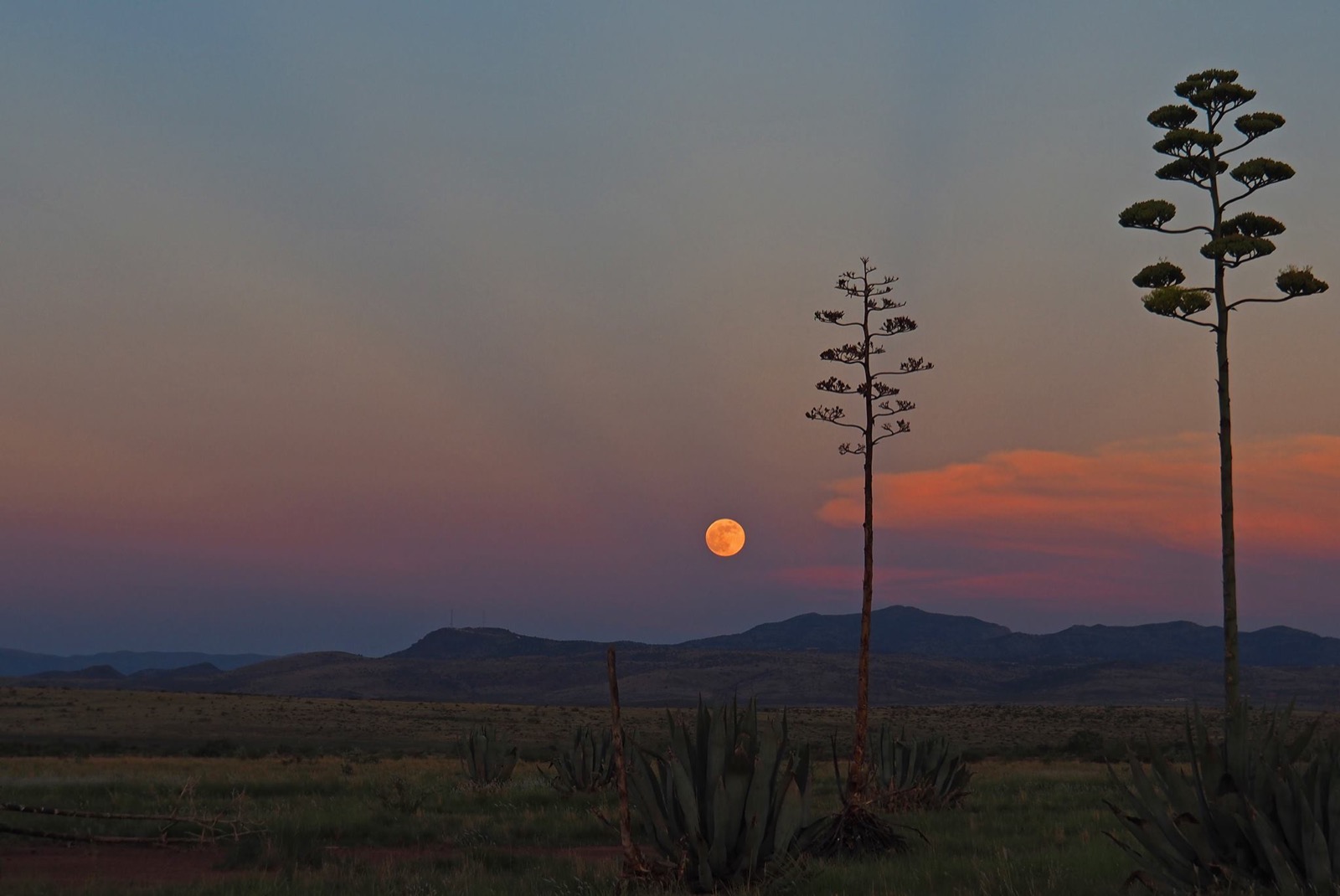
  • A near-full moon rising in a dusk-blue sky
  • A blue-violet bloom in close-up, petals curling back
  • A purple bearded iris caught in low side light
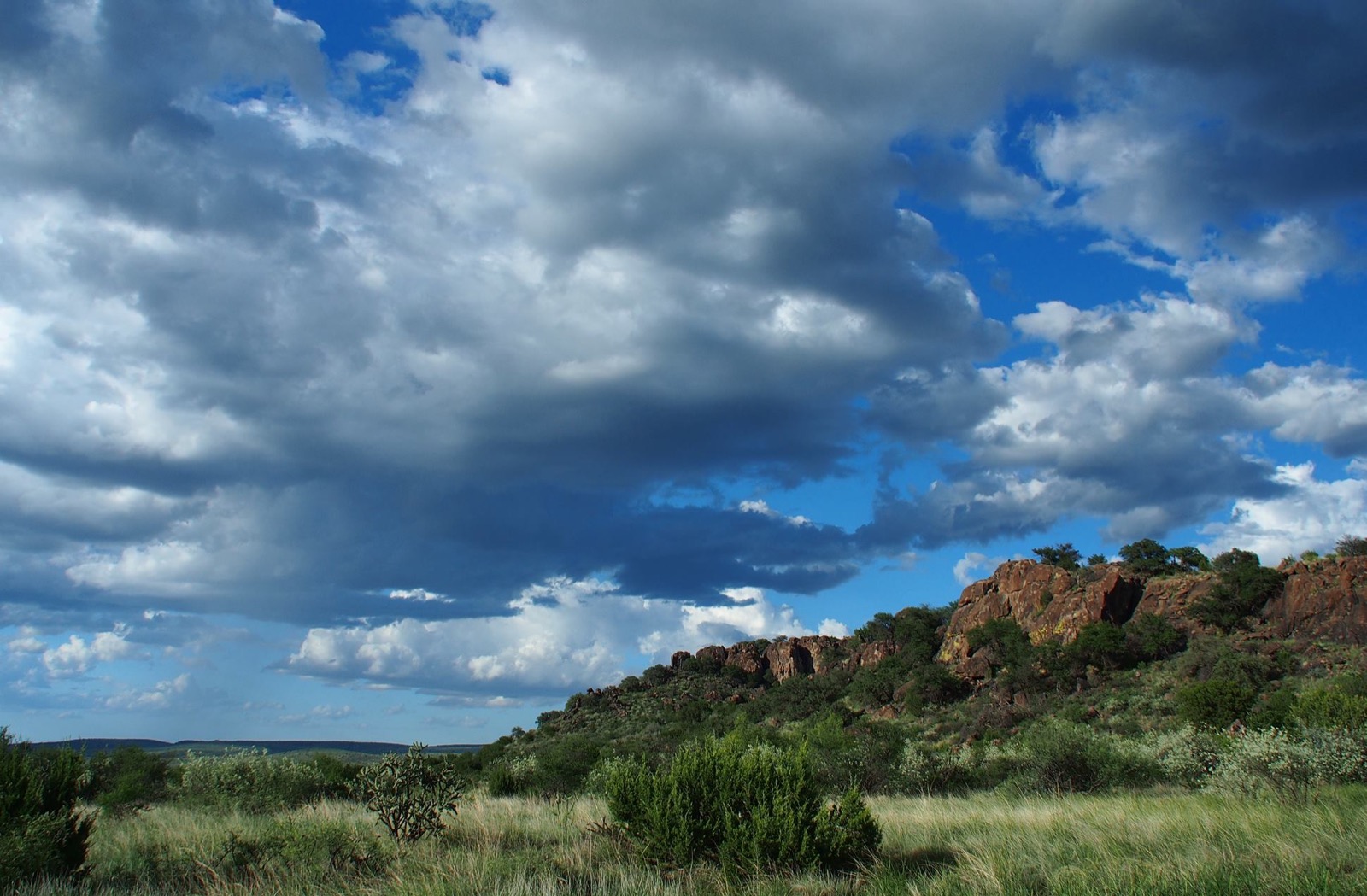
  • A rocky bluff standing over grassland under a sky full of cloud
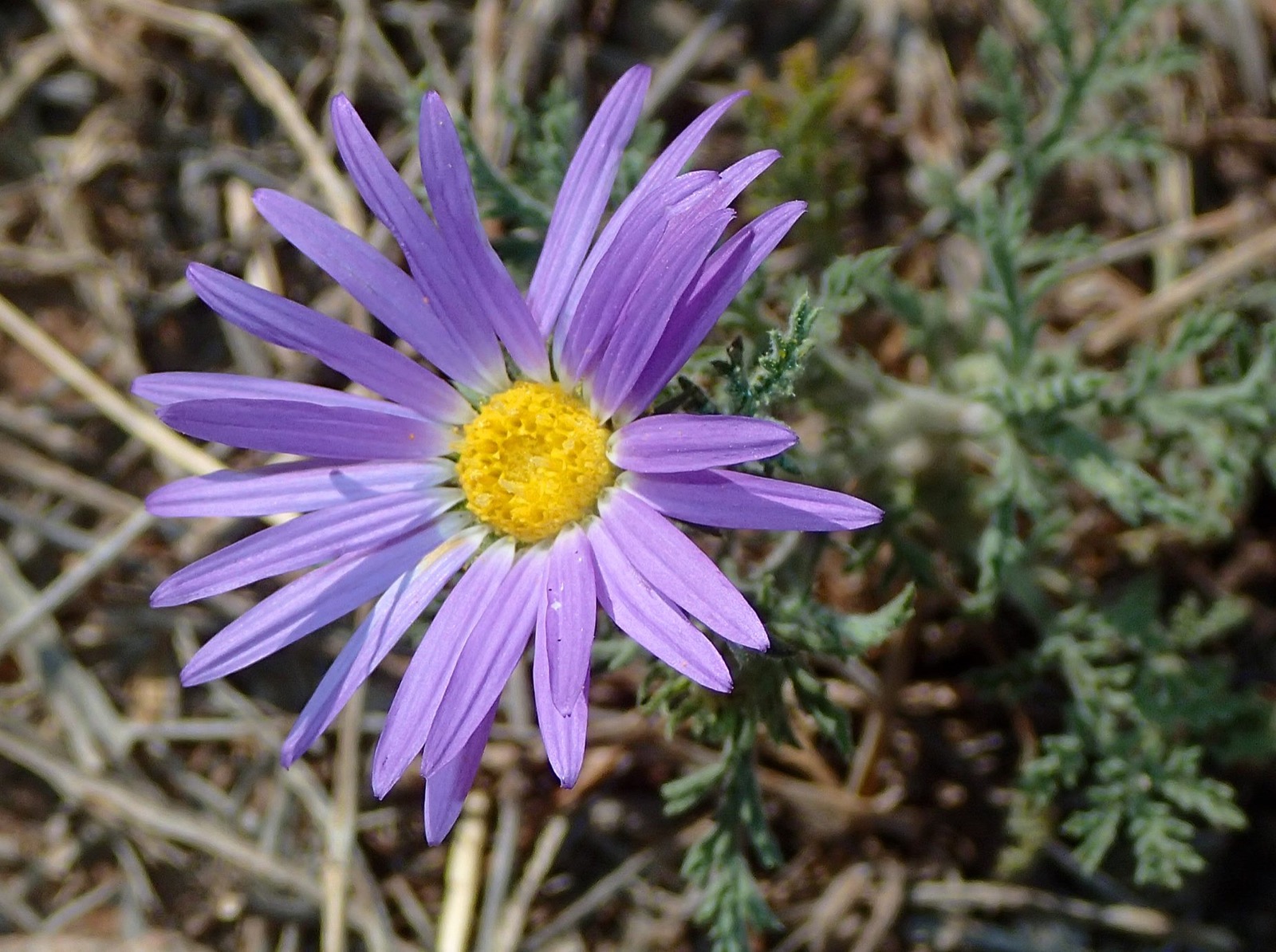
  • A purple aster open against dry grass
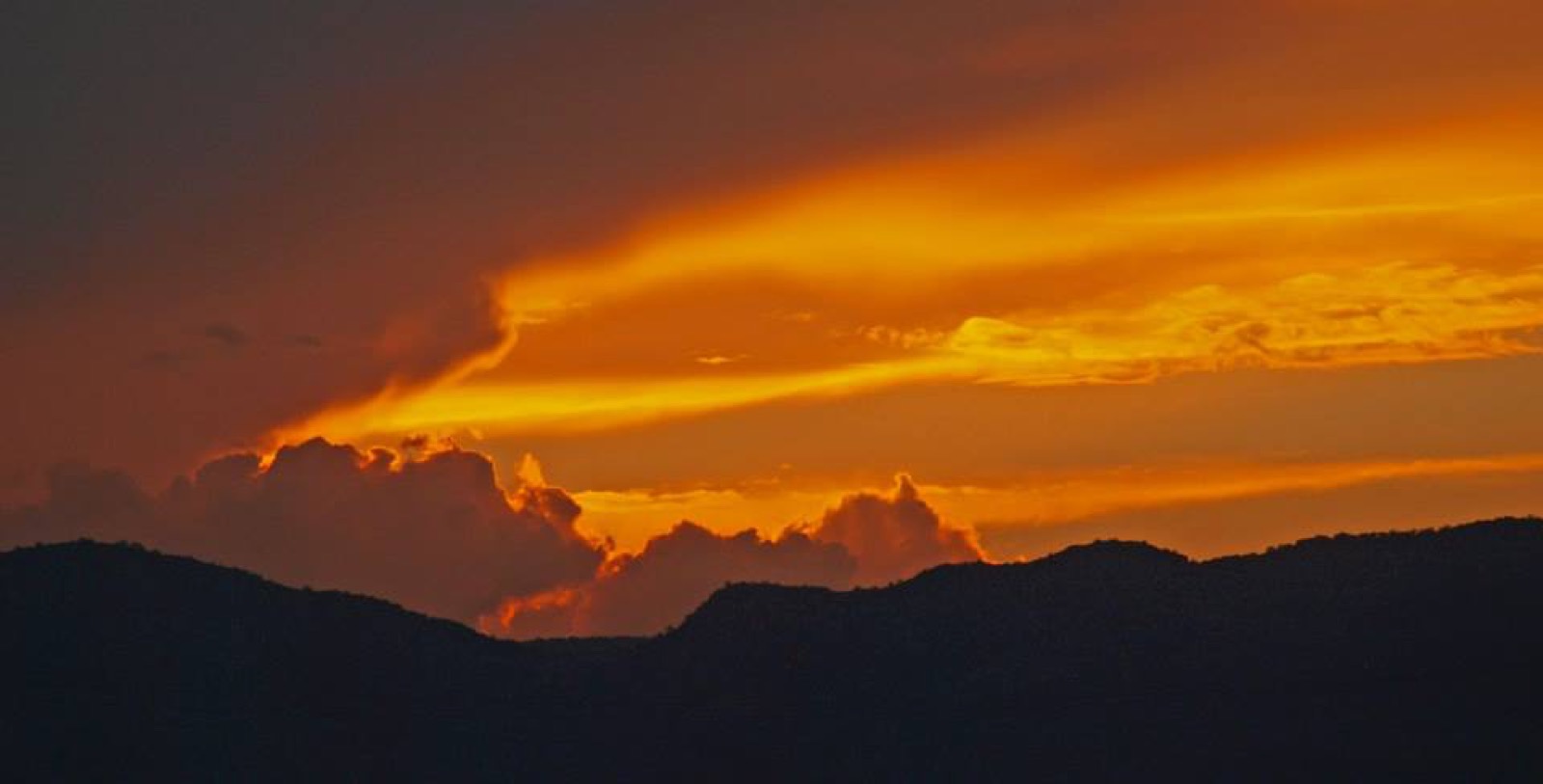
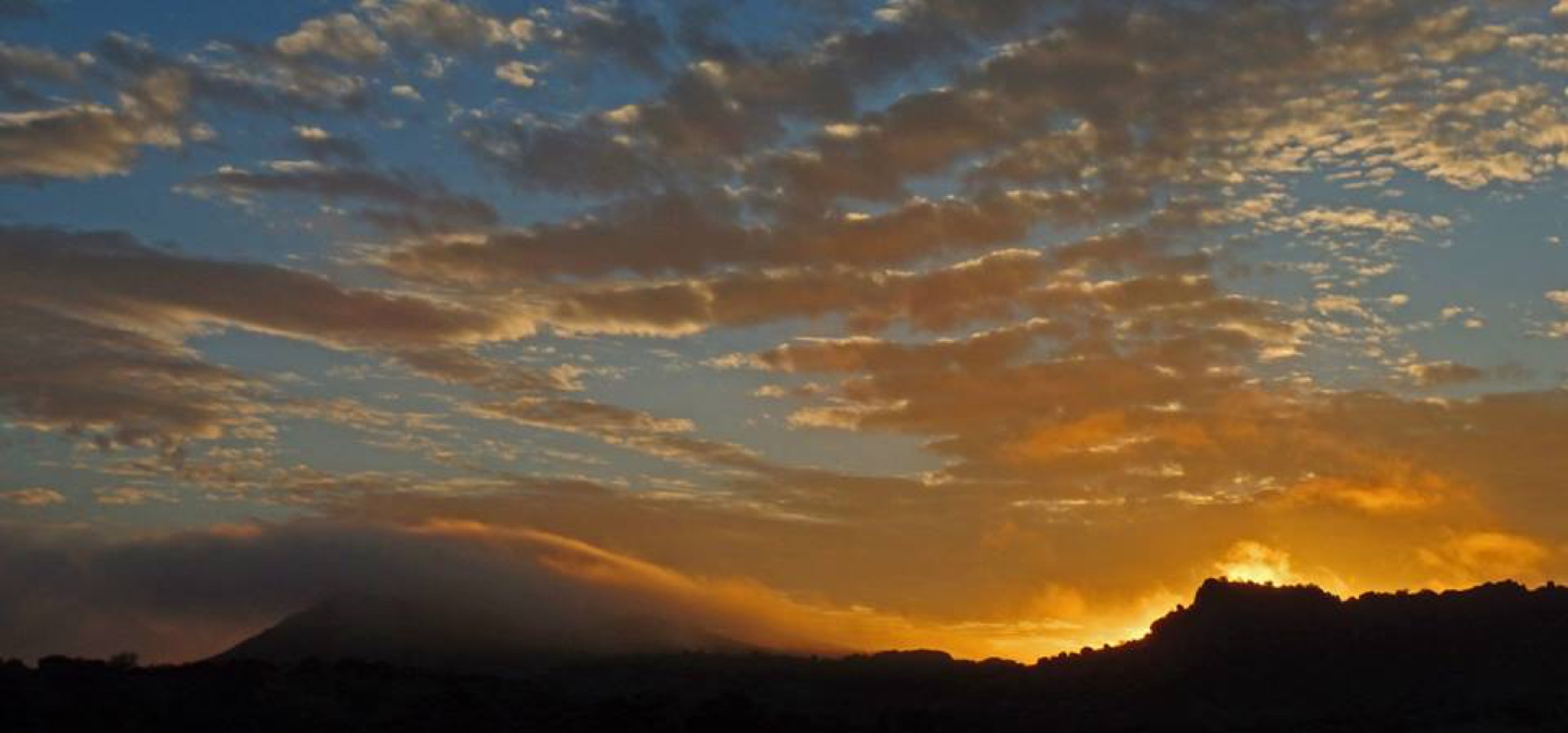
  • A sunset breaking under mackerel cloud over silhouetted hills
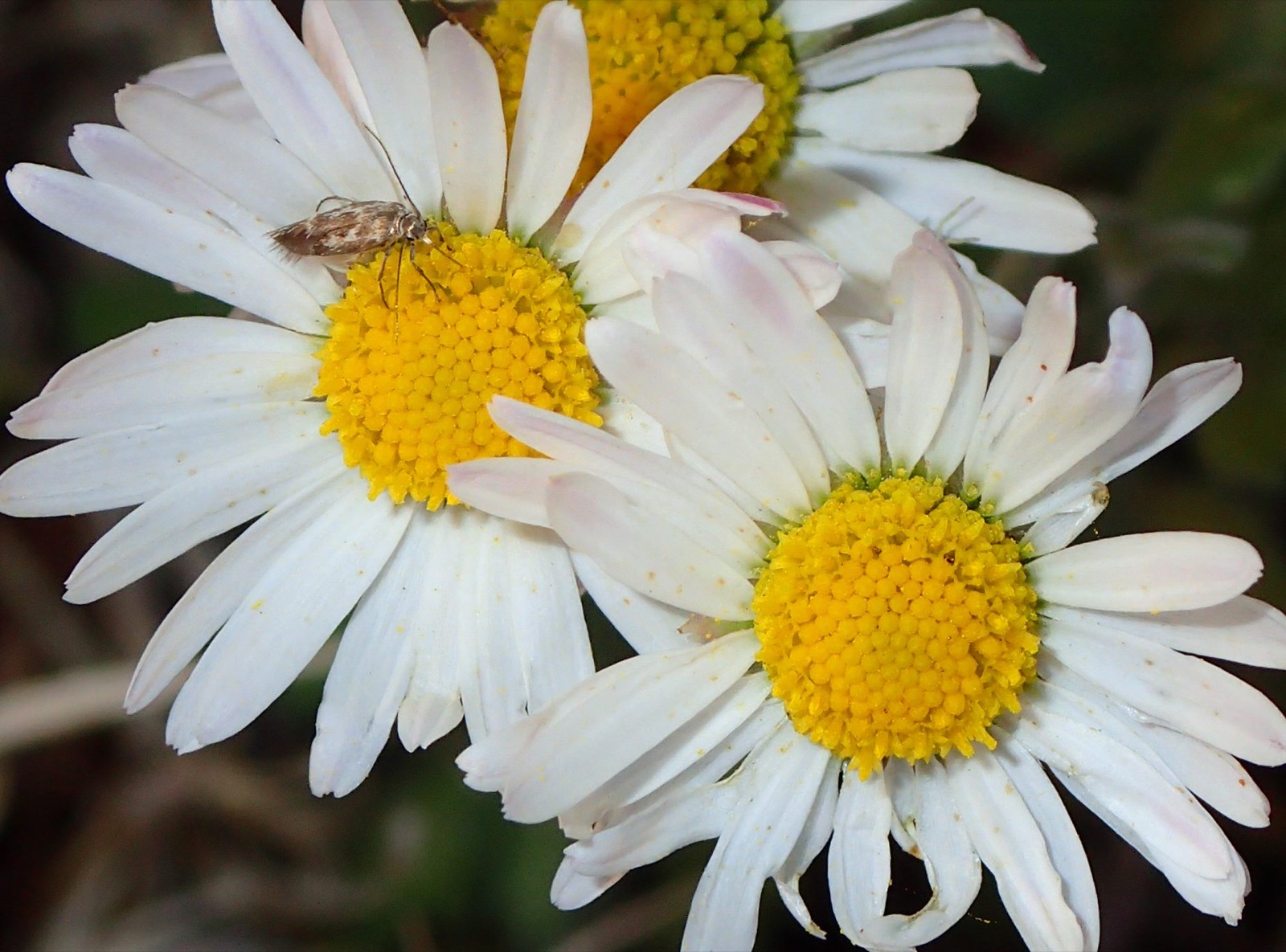
  • A single white daisy turned toward the light
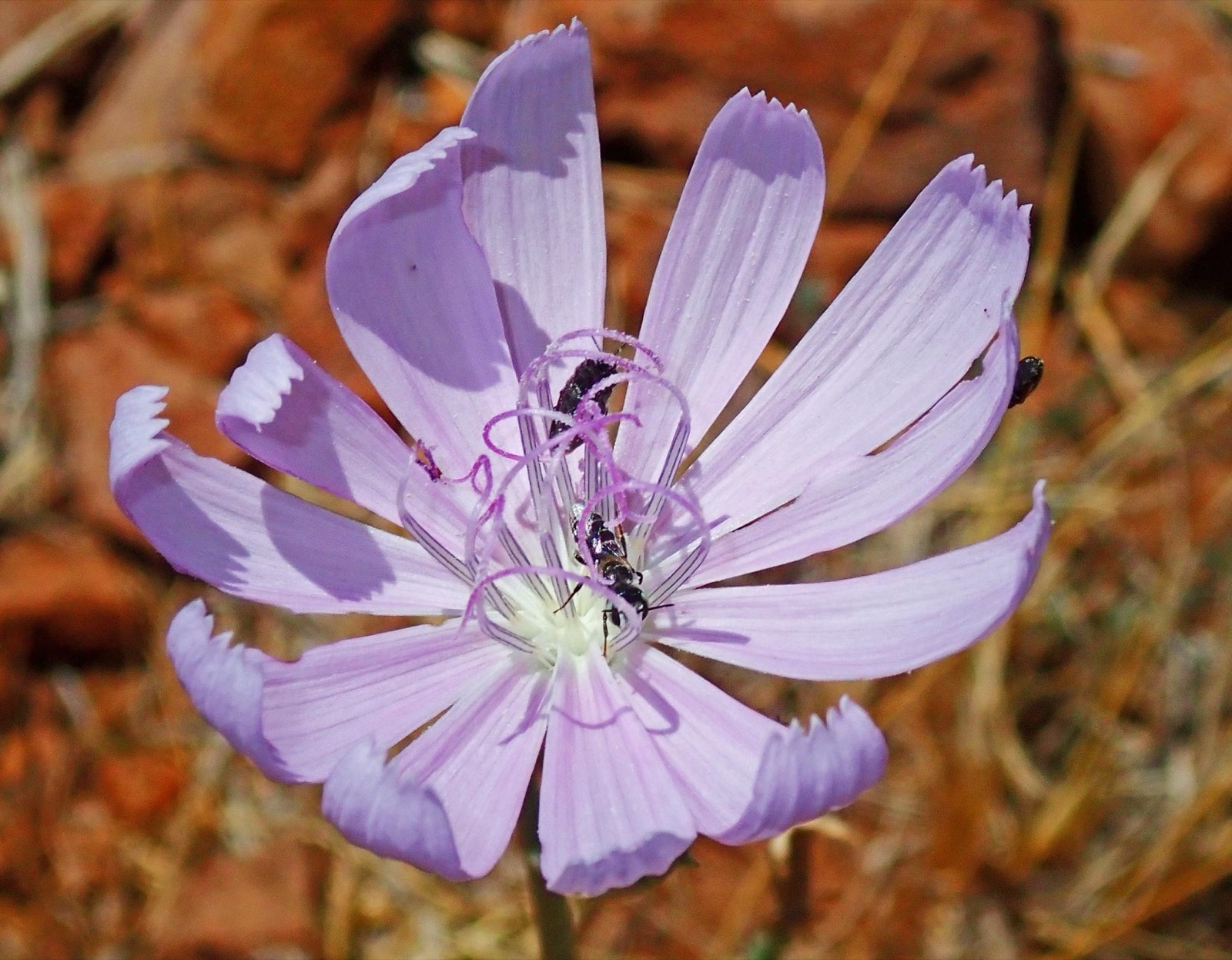
  • A pale lilac bloom open on the ground
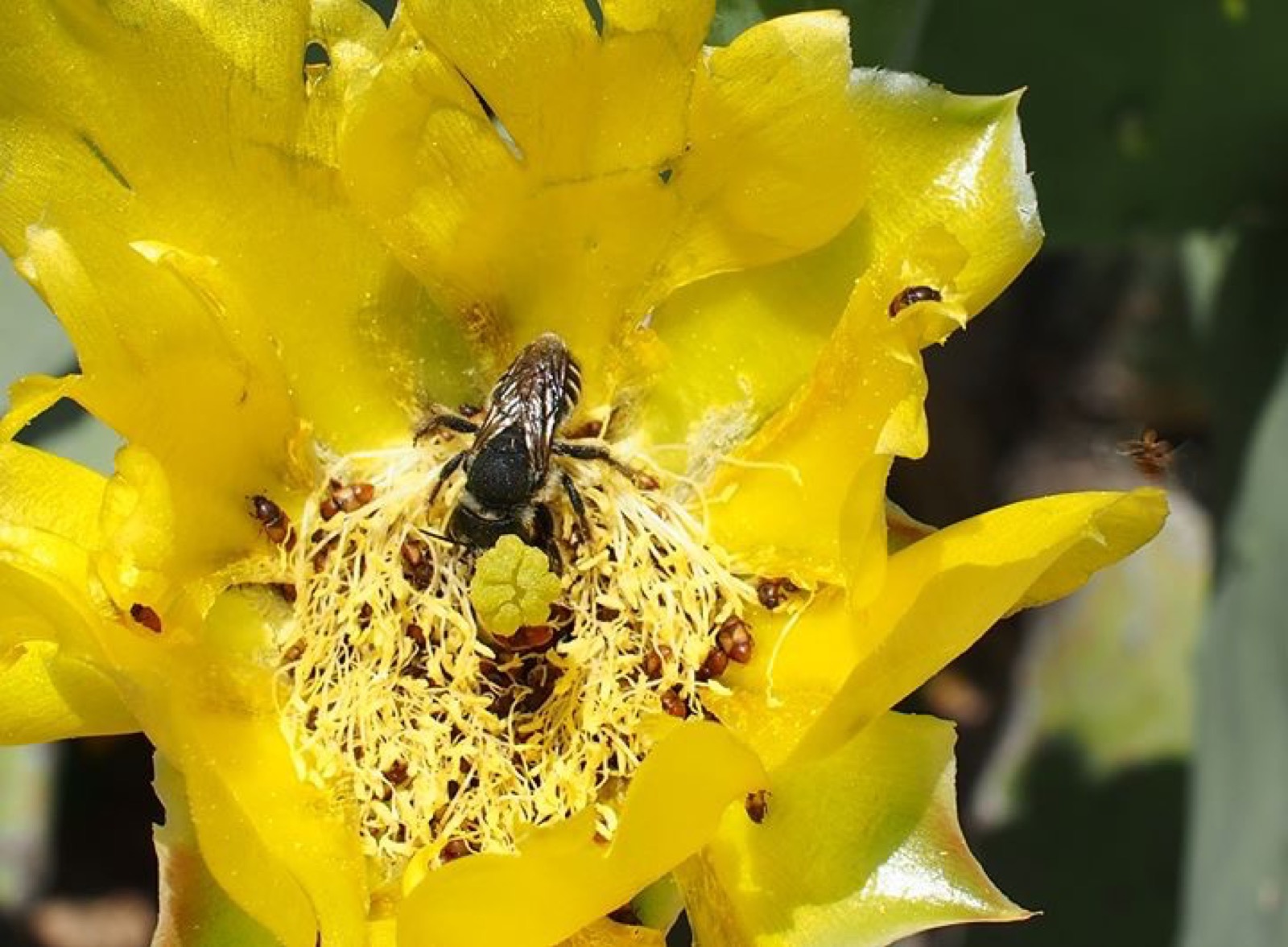
  • A yellow prickly pear bloom with a bee at its centre